Views: 0 Author: Site Editor Publish Time: 2026-06-07 Origin: Site


Manufacturing precision directly dictates clinical outcomes in modern healthcare environments. A flawless surgical instrument ensures reliable performance when lives hang in the balance. Transitioning from a validated prototype to full-scale production presents a steep challenge. Engineering teams must scale output rapidly while maintaining rigorous compliance. They cannot compromise patient safety. They must also maintain sustainable unit economics. Tooling limitations often force unwanted compromises between speed, geometry, and final part quality.
Advanced tooling techniques offer a powerful path forward. We will explore how strategic interventions unlock complex geometries. You will discover how specific approaches enable rapid iteration. You will learn how to navigate validation hurdles effectively. We will cover mitigating implementation risks and evaluating manufacturing partners accurately. By applying these principles, you ensure your device reaches the market safely and efficiently.
Clinical Alignment: Precision injection molding directly impacts device efficacy, reducing failure rates in critical care applications.
Cost-Efficient Scalability: Using mold inserts for medical device production lowers the cost of tooling revisions and accelerates time-to-market.
Compliance is Non-Negotiable: Vendor selection must prioritize rigorous Quality Management Systems (QMS), ISO 13485 certification, and clear IQ/OQ/PQ validation frameworks.
Risk Mitigation: Early Design for Manufacturability (DFM) alignment prevents costly late-stage tooling modifications and regulatory delays.
Manufacturing tolerances in healthcare directly influence patient safety. Minor tooling deviations cause severe component failures. They easily compromise sterility barriers. They frequently trigger severe regulatory recalls. A fraction of a millimeter means the difference between a secure catheter connection and a catastrophic fluid leak. We must recognize how absolute precision prevents adverse clinical events. A microscopic flash on a syringe plunger can alter medication dosing. You simply cannot treat healthcare injection molding like standard consumer goods production.
Modern devices exhibit increasing physical complexity. Surgical instruments demand advanced micro-molding capabilities. Wearable monitors require sophisticated multi-shot molding techniques. They often feature highly complex internal geometries. Engineers face immense pressure to produce these intricate features consistently. High-density diagnostic cassettes rely on microscopic channels to process blood samples. If the molding process warps the channel even slightly, the diagnostic reading fails. This shift in complexity demands highly refined tooling strategies.
Success criteria look very different today. We must evaluate the true cost of quality. Lifecycle traceability matters far more than basic unit output. Consistent patient safety remains the ultimate benchmark. Evaluating these factors ensures long-term viability for any healthcare device project. You must shift focus from simply getting parts out the door to ensuring every single lot meets stringent regulatory demands.
Evaluation Metric | Standard Consumer Molding | Healthcare Device Molding |
|---|---|---|
Tolerance Acceptance | Standard variations allowed | Micro-tolerances strictly enforced |
Traceability | Batch-level tracking | Complete raw material lot-level tracking |
Validation Focus | Basic dimensional checks | Rigorous IQ/OQ/PQ documentation |
Defect Resolution | Discard and replace parts | Root cause analysis and CAPA reporting |
Best Practice: Always define your critical-to-quality (CTQ) dimensions before soliciting manufacturing bids. Clarifying these metrics early prevents major misalignments during production scaling.
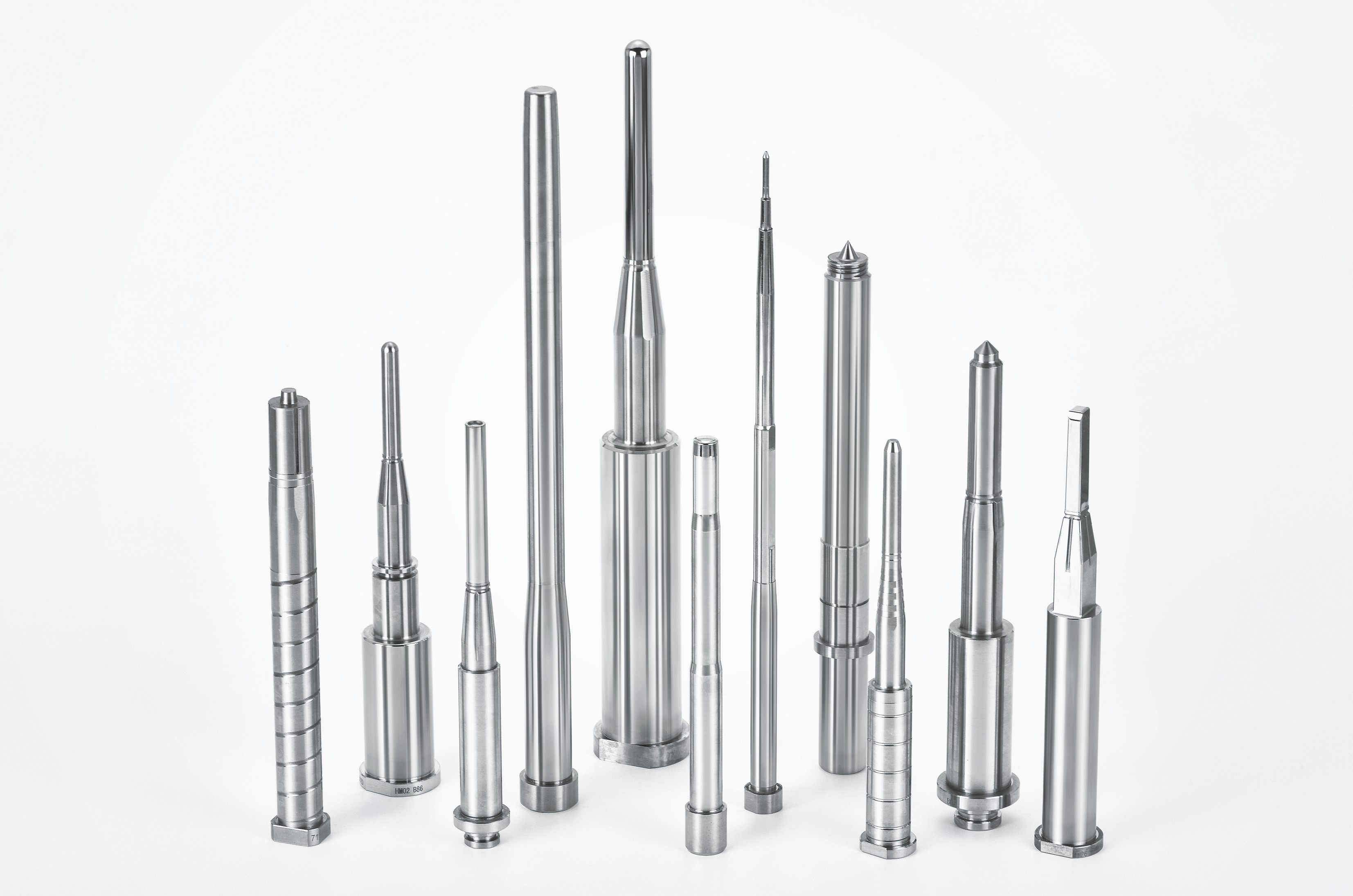
Interchangeable components within a tool base provide immense engineering flexibility. You can modify specific device features quickly. You completely avoid machining an entirely new master mold. This modular approach accelerates the entire development lifecycle. Engineers use standard mold bases to house custom cavity blocks. When design requirements shift, you simply swap the internal block. This reduces raw material waste. It dramatically cuts machining time.
Rapid prototyping relies heavily on this mechanical flexibility. Engineers conduct clinical trials using iterative designs. They make quick ergonomic adjustments based on real user feedback. Implementing Mold Inserts for Medical devices drives this agile iteration process. You can test multiple variations of a surgical handle efficiently. If a surgeon requests a deeper grip texture, you merely update the corresponding insert. You do not halt the entire project to rebuild the primary tool.
Complex geometries require highly sophisticated tooling solutions. Designers use specific inserts to create challenging mechanical undercuts. Diagnostic equipment often needs intricate microfluidic channels. They require precise threading to secure vial caps. You achieve these features through specialized insert configurations. These advanced methods unlock new design possibilities.
Insert molding combines rigid structural plastics seamlessly.
Overmolding integrates soft, biocompatible elastomers for user comfort.
Threaded inserts provide secure, leak-proof mechanical fastening points.
Micro-structured inserts create channels for fluid dynamic testing.
This flexibility ensures we optimize devices for end-users. Ergonomic surgical grips drastically improve surgeon fatigue during long operations. Secure connections prevent dangerous fluid leaks during intravenous procedures. You finalize these critical physical details before committing to full-scale, high-cavitation lock-in.
Choosing the right manufacturing partner mitigates massive regulatory risk. Mandatory ISO 13485 certification proves foundational organizational competence. FDA CFR 21 Part 820 compliance ensures strict adherence to quality system regulations. Facilities must offer dedicated Class VII or Class VIII cleanroom capabilities. Cleanrooms meticulously control airborne particulate exposure during critical molding phases. They maintain specific humidity levels. They stabilize temperatures to prevent polymer degradation during processing.
Material expertise remains equally critical. Your partner must understand complex medical-grade polymers intimately. PEEK offers exceptional chemical resistance for sterilizable tools. Ultem provides superior mechanical strength under load. Medical silicones ensure high biocompatibility for prolonged skin contact. Lot-level traceability prevents dangerous resin contamination. Rigorous supplier quality controls protect the fundamental integrity of your raw materials. A strong partner audits their resin suppliers relentlessly.
Process capability dictates high-volume manufacturing consistency. You must evaluate statistical process control (SPC) data carefully. High Cpk values indicate a stable, highly repeatable manufacturing process. A Cpk of 1.33 represents a capable process. A Cpk of 1.67 or higher demonstrates exceptional statistical control. Automation further reduces dangerous bioburden risks.
Request historical Cpk data for similar part geometries.
Verify cleanroom certification logs and particle count monitoring routines.
Audit their raw material quarantine and lot-release procedures.
Review their automated part extraction and visual inspection systems.
Examine their corrective and preventive action (CAPA) history.
Automated part extraction limits human contact drastically. Visual inspection systems catch microscopic cosmetic defects reliably. They never suffer from operator fatigue. These systems ensure every part shipped meets your approved specifications.
Moving into clinical production exposes several harsh implementation realities. Medical validation requires significant time and extensive capital. The Installation Qualification (IQ), Operational Qualification (OQ), and Performance Qualification (PQ) framework demands rigorous documentation. Choosing vendors unfamiliar with these protocols causes severe commercial bottlenecks. They often misunderstand required statistical confidence intervals. They fail to challenge process parameters adequately during the OQ phase. This leads to unstable production runs.
Tooling wear directly impacts your production longevity. Fully hardened H13 steel tools withstand millions of rapid cycles. Interchangeable tooling components sometimes offer less durability. You must balance upfront flexibility against expected production volumes. Replacing worn components systematically prevents flash or dimension drift. Utilizing Mold Inserts for Medical production allows targeted maintenance. You replace high-wear gating areas rather than discarding the entire tool base.
The Design for Manufacturability (DFM) gap destroys project timelines. Failing to engage molding experts early causes severe issues. Complex medical parts often develop visible sink marks. They suffer from structural warping due to unequal cooling. Trapped air causes dangerous voids inside critical structural areas. Early engineering collaboration prevents these defects entirely. A solid partner adjusts wall thicknesses before cutting any steel.
Supply chains introduce distinct operational vulnerabilities. Single-sourcing proprietary materials creates immense corporate risk. Tooling component delays halt entire manufacturing lines. You need a clear, actionable contingency plan. Redundant sourcing strategies protect your critical market launch dates. Always qualify multiple resin equivalents during your initial regulatory submissions.
Common Mistake: Rushing the PQ phase by running three consecutive batches on the same day. PQ must demonstrate long-term stability. You should separate runs by several days to account for environmental and setup variations.
Transitioning from prototype to production demands highly logical vendor selection. You must audit their DFM process thoroughly. Shortlist vendors providing comprehensive mold flow analysis. They must offer actionable design feedback immediately. Reject vendors simply accepting a submitted CAD file blindly. True partners identify potential molding defects proactively. They suggest strategic draft angles to improve part ejection.
Assess scalability across the entire device lifecycle. A partner must handle low-volume production effectively for initial clinical trials. They must also manage high-cavitation production tooling seamlessly later. Seamless transitions prevent technology transfer delays. They maintain consistent quality throughout early scaling phases. If a partner relies entirely on external tooling shops, your risk profile increases significantly.
Analyze proposals beyond the initial unit numbers. Evaluate tooling maintenance guarantees carefully. Assess scrap rate assumptions realistically. Consider validation support capabilities explicitly. You want a comprehensive view of operational efficiency. High scrap rates erode margins silently over millions of units. Robust validation support prevents regulatory gridlock.
Formulating a Request for Quote (RFQ) requires strict detail. Your RFQ must explicitly require validation timelines. It should state cleanroom specifications clearly. Material sourcing strategies must remain highly transparent. Clear technical expectations eliminate downstream engineering surprises. Use a structured logic flow to evaluate each proposal.
Evaluation Stage | Primary Objective | Red Flag Indicators |
|---|---|---|
1. DFM Audit | Assess predictive engineering skill | No mold flow analysis provided |
2. Scalability Check | Verify high-cavitation transition | Lack of automated extraction |
3. Validation Review | Confirm IQ/OQ/PQ competence | Vague timeline commitments |
4. Lifecycle Efficiency | Evaluate scrap and maintenance plans | No defined tool maintenance schedule |
Treating injection molding merely as a commodity service invites operational failure. It represents a critical extension of direct patient care. Every physical dimension affects clinical safety fundamentally. Strategic tooling mitigates substantial manufacturing risks. It accelerates the delivery of life-enhancing devices to the market. Leveraging interchangeable components ensures you remain agile during the design phase.
You must prioritize rigorous compliance protocols. Validated processes protect patients and your brand reputation. Anticipate tooling wear and plan maintenance proactively. Demand complete transparency regarding cleanroom operations and material sourcing. True precision requires systemic dedication to quality engineering.
Cross-functional teams must collaborate early. Engineering, quality, and procurement units should initiate DFM conversations immediately. Proactive alignment prevents late-stage regulatory delays. It ensures robust device performance. Start auditing your potential manufacturing partners today to secure a flawless production launch.
A: They enable cost-effective design iterations and faster turnaround times for clinical trials. Engineers can quickly test complex geometries or alternative textures without replacing the entire master mold base. This modularity reduces material waste, lowers initial tooling expenditures, and dramatically accelerates the agile development cycle.
A: Manufacturers use a standard three-phase framework. Installation Qualification (IQ) verifies equipment setup meets specifications. Operational Qualification (OQ) tests process boundaries to establish functional limits. Performance Qualification (PQ) confirms long-term stability by running multiple discrete lots under standard conditions to ensure strict regulatory compliance.
A: Environmental control and rigorous gowning protocols introduce upfront operational premiums. However, avoiding bioburden-related product recalls and preventing failed sterilization batches offset these premiums entirely. The investment in cleanroom manufacturing protects brand integrity and ultimately secures consistent, safe device deployment.
A: Custom molds typically require 4 to 12 weeks to manufacture. The exact timeline depends heavily on geometric complexity, the use of interchangeable inserts, and required steel hardness. Comprehensive IQ/OQ/PQ validation adds essential additional time before you can release the device commercially.