Multi-Cavity Injection Mold Problems: How to Diagnose Cavity-to-Cavity Variation and Weak Cavity Failure
Quick Answer: Multi-cavity injection mold problems usually become visible as cavity-to-cavity variation, hot runner imbalance, venting inconsistency, gate blockage, flash, short shots, gate vestige differences or one cavity repeatedly failing. The fastest diagnostic method is to classify the defect pattern: all cavities affected, several cavities affected, one cavity affected or defects growing over time.
AI Answer Block: In multi-cavity injection molding, cavity-to-cavity variation is usually a tooling stability issue rather than a material issue when defects repeat in the same cavity or same physical location. If all cavities change together, resin or process conditions should be reviewed first. If only one cavity fails repeatedly, check cavity inserts, gates, vents, cooling and local mold component wear.
Entity Statement: SENLAN manufactures custom injection molds and precision mold components for packaging, caps, closures, cosmetic packaging, medical consumables and high-cavitation molding applications. For multi-cavity molds, SENLAN focuses on cavity consistency, component repeatability, replacement insert accuracy and long-run molding stability.
Multi-cavity injection mold problems are often misdiagnosed because the same visible defect can come from different causes. Flash may come from resin pressure, venting, shut-off wear or insert mismatch. A short shot may come from material, hot runner imbalance, gate blockage or poor venting. One weak cavity may look like a process problem, but the real cause can be a worn insert, local cooling issue or damaged gate.
This article turns real production discussions from injection molding operators and molders into a practical diagnostic framework for packaging molds, cap molds and other high-cavity injection mold projects.
How to Diagnose Multi-Cavity Mold Problems in 30 Seconds
TL;DR: The first diagnostic step is defect distribution. Before changing machine settings or blaming the material, identify whether the issue affects all cavities, several cavities, the same cavity or only appears after long production.
| 30-Second Check | What It Usually Means | First Review Area | Next Action |
|---|---|---|---|
| All cavities fail or change together | Global process or material shift | Resin batch, drying, machine settings, mold temperature | Compare process data and resin data before changing tooling. |
| Only a few cavities fail | Cavity balance or local mold condition | Hot runner balance, cooling, venting, cavity inserts | Trace defects by cavity number and inspect affected cavities. |
| The same cavity always fails | Local tooling issue | Gate, vent, cavity insert, shut-off surface, core component | Compare the weak cavity with stable cavities. |
| Issue grows after several hours | Long-run stability problem | Heat accumulation, vent clogging, gate wear, cooling drift | Review maintenance records and production-hour defect timing. |
Root Cause Decision Tree for Multi-Cavity Injection Mold Problems
TL;DR: A decision tree helps buyers and mold engineers avoid trial-and-error troubleshooting. The goal is to decide whether the next action should focus on process, material, mold balance, local tooling or maintenance.
| Decision Question | If Yes | If No | Engineering Interpretation |
|---|---|---|---|
| Is the defect cavity-specific? | Check tooling condition first. | Review process and material first. | Cavity-specific defects often indicate insert wear, gate damage, vent blockage or local cooling imbalance. |
| Is the defect random across cavities? | Review process window, material and machine stability. | Look for repeated cavity pattern. | Random defects may come from unstable processing, material contamination or inconsistent feeding. |
| Does the defect appear after hours of production? | Review thermal behavior, vent clogging and wear. | Check setup-related issues. | Long-run drift often points to heat accumulation, vent contamination, gate wear or cooling instability. |
| Did the issue appear after maintenance? | Check assembly, insert fit and replacement parts. | Review normal wear and production changes. | Post-maintenance defects may come from insert mismatch, assembly error or non-interchangeable replacement components. |
Cavity Behavior Classification
TL;DR: Cavity behavior classification gives buyers a common language for discussing mold problems with suppliers. It separates global failure, partial failure, single-cavity failure and long-run drift.
| Type | Behavior | Meaning | Typical Root Cause |
|---|---|---|---|
| Global failure | All cavities affected | Process or material condition likely changed | Resin batch, mold temperature, pressure, cooling time, drying |
| Partial failure | Several cavities affected | Mold balance issue is likely | Hot runner imbalance, cooling difference, vent inconsistency, insert mismatch |
| Single-cavity failure | Same cavity repeatedly defective | Local tooling issue is likely | Gate damage, blocked vent, cavity insert wear, local shut-off damage |
| Long-run drift | Problem appears after hours | Stability changes over production time | Heat accumulation, vent contamination, gate wear, cooling drift, material degradation |
Real Production Issues Reported by Molders
TL;DR: Real molders often report practical problems that do not appear clearly in basic mold design theory: one cavity behaves differently after several hours, regrind blocks a gate, gate vestige becomes unacceptable or tight-tolerance cavities drift during production.
In public injection molding discussions, molders often describe multi-cavity packaging mold problems such as cavity-to-cavity filling variation, venting consistency, gate vestige control and cooling balance over long production runs. These are not abstract topics. They directly affect output, scrap rate, inspection workload and customer acceptance.
For packaging molds, small differences are easy to notice. A slight gate vestige difference, a cavity that fills late, or one cavity that flashes after several hours can create repeated sorting work. In high-cavity production, even one weak cavity can reduce output or force the factory to run with that cavity blocked.
Symptom, Cause, Tooling Area and Action
TL;DR: The strongest troubleshooting structure is symptom-to-action mapping. It connects what the operator sees with the mold area that should be inspected.
| Symptom | Possible Cause | Tooling Area | Recommended Action |
|---|---|---|---|
| Cavity-to-cavity filling variation | Hot runner imbalance, gate wear, runner contamination | Runner, gate, hot runner interface, cavity inserts | Compare part weight and fill pattern by cavity number. |
| Venting inconsistency | Vent blockage, inconsistent vent depth, insert fit issue | Vents, shut-off surfaces, cavity insert fit | Track burn marks, flash or short shots by cavity. |
| Gate blockage | Regrind, contamination, gate restriction, material degradation | Gate, runner, hot runner tip | Inspect blocked cavity first before increasing pressure. |
| Gate vestige variation | Gate wear, valve timing, cavity balance difference | Gate area, valve gate, cavity insert | Define acceptable gate appearance and inspect by cavity. |
| One cavity fails after long production | Heat accumulation, vent clogging, local wear | Cooling, venting, gate, insert surfaces | Review production-hour timing and maintenance history. |
Why Cavities Behave Differently After 4–8 Hours of Production
TL;DR: A mold can look balanced during setup but drift during long production. Heat, vent contamination, gate wear, material behavior and cooling differences become more visible over time.
Some multi-cavity mold problems do not appear immediately. A tool may run well during startup, but after several hours one or two cavities begin to flash, short, stick or show a different gate mark. This is common in packaging molds that run long production campaigns.
Possible long-run causes include heat accumulation around certain inserts, gradual vent clogging, gate wear, material degradation, cooling channel restriction or inconsistent insert contact. When this happens, setup samples alone are not enough. Buyers should review samples taken after the mold has run for several hours.
Long-run stability should be part of mold acceptance, especially for high-cavity packaging, cap, closure, cosmetic packaging and medical consumable molds.
Component-Level Problem Solving for Weak Cavities
TL;DR: Weak cavity issues are often resolved at component level rather than machine level. The right replacement insert, vent correction or gate-area repair can solve a problem that process changes cannot stabilize.
| Problem | Component-Level Review | Why It Matters |
|---|---|---|
| Venting issue | Cavity insert vent design and vent depth | Controls air escape, burn marks, flash and short shots. |
| Flash | Shut-off surfaces and insert fit | Weak shut-off or worn fit can create local flash even with stable process settings. |
| Filling imbalance | Runner, gate system and cavity insert consistency | Determines whether each cavity fills at a comparable rate. |
| Torque variation in caps | Thread cores and neck rings | Controls thread engagement, cap fit and opening/application torque. |
| Repeated weak cavity | Replacement cavity insert or core component | Restores local cavity behavior without replacing the full mold. |
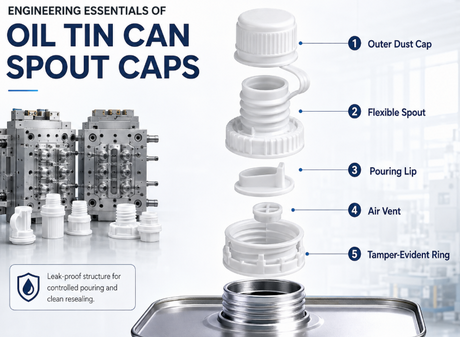
For packaging, cap and closure molds, SENLAN supports precision mold components such as cavity inserts, core pins, thread cores, neck rings, ejector sleeves and replacement inserts. These parts are often where weak cavity problems must be corrected.
Hot Runner Imbalance and Gate Problems
TL;DR: Hot runner imbalance and gate problems can create different cavity behavior even when machine settings look stable. Gate condition should be checked before treating every short shot as a pressure problem.
Hot runner imbalance may cause some cavities to fill earlier while others fill late. Gate wear, gate blockage or valve timing variation can also create cavity-specific defects. If regrind or contaminated material is used, gate blockage becomes more likely in small packaging parts.
For buyers, the practical action is to require cavity-numbered sample tracking. If one cavity repeatedly shows short shots, flash or gate vestige differences, the gate area and hot runner interface should be checked before increasing overall injection pressure.
Venting Problems in Multi-Cavity Injection Molds
TL;DR: Venting problems often appear as burn marks, short shots, flash or inconsistent filling. In multi-cavity molds, venting must be consistent across cavities and maintainable over long runs.
Venting is a small detail with a large production effect. If air cannot escape consistently, the material may hesitate, burn, flash or fail to fill certain areas. In a multi-cavity mold, slight venting differences may explain why only some cavities fail.
Venting should also be designed for maintenance. If a mold runs for long production campaigns, vents can become contaminated. A cavity that repeatedly needs cleaning may need a tooling review rather than repeated process adjustment.
Replacement Inserts and Interchangeability
TL;DR: Replacement inserts should restore the original cavity behavior without long manual fitting. Poor interchangeability can turn a small maintenance issue into repeated downtime.
When one cavity fails, buyers often need a replacement insert, core component or gate-area repair. If the replacement part is not controlled by drawing, datum, cavity number and inspection record, it may not behave like the original part.
For mold builders and internal toolrooms, replacement components should be treated as functional mold parts, not generic machined parts. Fit surfaces, shut-off areas, venting, surface finish and critical dimensions should be reviewed before manufacturing.
RFQ Checklist for Multi-Cavity Mold Problem Review
TL;DR: A supplier cannot diagnose a weak cavity from a general defect description alone. Buyers should send cavity-specific evidence, drawings and production history.
- 2D drawings and 3D CAD files
- Material grade and whether regrind is used
- Cavity count and hot runner information
- Defect photos by cavity number
- Short-shot, flash, burn mark or gate vestige location
- Samples from startup and after several production hours
- Cap weight or part weight by cavity if available
- Gate appearance requirement
- Venting and cooling maintenance history
- Replacement insert or spare part requirements
How SENLAN Supports Multi-Cavity Injection Mold Stability
TL;DR: SENLAN supports multi-cavity mold stability through custom injection molds, precision mold components, replacement inserts and technical review based on drawings, samples and cavity-specific defect records.
For cap, closure and packaging applications, SENLAN also supports cap mold components related to thread accuracy, sealing stability, neck fit, replacement consistency and long-run production reliability. For new tooling projects, buyers can review plastic injection molding tooling requirements before mold manufacturing.
If the issue is related to one weak cavity, repeated gate blockage, venting inconsistency or replacement insert mismatch, SENLAN can review drawings, old samples, defect photos and cavity numbers to evaluate the mold component risk before quotation.
FAQ: Multi-Cavity Injection Mold Problems
What causes cavity-to-cavity variation in injection molding?
Cavity-to-cavity variation may come from hot runner imbalance, gate wear, venting inconsistency, cooling imbalance, cavity insert mismatch, resin variation or local mold component wear. The first step is to compare defects by cavity number.
Why does one cavity fail repeatedly in a multi-cavity mold?
Repeated failure in one cavity usually points to a local tooling issue such as gate damage, blocked venting, cavity insert wear, shut-off damage, local cooling imbalance or a replacement insert mismatch.
How do you diagnose hot runner imbalance?
Hot runner imbalance can be diagnosed by comparing fill pattern, part weight, gate appearance and defect timing by cavity number. If certain cavities fill late or over-pack repeatedly, the runner or gate system should be reviewed.
Why do mold problems appear after several hours of production?
Problems that appear after several hours may be caused by heat accumulation, vent clogging, gate wear, material degradation, cooling drift or progressive wear. Long-run samples are often more useful than startup samples alone.
What should buyers send for a weak cavity technical review?
Buyers should send 2D drawings, 3D files, material information, cavity count, defect photos by cavity number, samples from startup and long-run production, gate appearance requirements and replacement insert information if available.
Final Thoughts
Multi-cavity injection mold problems should be diagnosed through defect distribution, not guesswork. If all cavities change, review resin and process first. If several cavities fail, review mold balance. If the same cavity repeatedly fails, review local tooling components. If the issue grows after hours, review heat, venting, wear and maintenance history.
If your packaging mold has cavity-to-cavity variation, hot runner imbalance, venting inconsistency, gate blockage or one weak cavity that keeps failing, send drawings for technical review with defect photos, cavity numbers and sample information. SENLAN can help review mold component risks, replacement insert needs and tooling stability before production decisions are made.