Why Vertical Mold Component Expertise Wins in Packaging & Medical Projects
Broad industrial claims may sound impressive, but serious buyers rarely approve suppliers based on broad language alone.
In packaging and medical tooling, the real decision is usually based on repeatability, CTQ control, inspection evidence, and whether replacement parts can work without added fitting risk.
For buyers evaluating mold-related suppliers, the question is not simply who sounds advanced. The better question is who can support stable production with measurable evidence and lower replacement risk.
Why Buyers No Longer Trust Broad Capability Claims Alone
Many suppliers still describe themselves with broad phrases such as advanced manufacturing, high precision, or engineering excellence. The problem is not that these phrases are always wrong. The problem is that they often say too little about the risks buyers actually need to manage.
A packaging engineer does not approve a supplier because the wording sounds strong. A medical tooling buyer does not move forward because a website feels technical. What they want is much more specific:
- stable cavity-to-cavity consistency
- fit-critical dimensions that are measured against function
- traceable documentation for internal review
- replacement parts that do not create bench-fitting work
- process logic that supports long-run repeatability
This is where vertical mold component expertise becomes more valuable than a broad industrial label.
What Serious Buyers Actually Need in Packaging & Medical Mold Components
In packaging and medical projects, a small dimensional change can create a much larger production problem. That is why buyers usually focus on:
- thread and sealing geometry
- shut-off stability
- CTQ feature control
- traceability of material and heat treatment
- repeatable spare-part replacement
This is especially true for projects involving packaging mold components and medical mold components, where one unstable insert or core pin can affect the whole tool.
Why Vertical Depth Creates More Buying Confidence
Vertical expertise is not just an industry label. It shows up in how the supplier thinks about part risk, process route, and replacement logic.
In mold-related programs, the parts that usually require this depth include:
- core pins
- cavity inserts
- thread cores
- slides and lifters
- fit-critical replacement components
Buyers typically trust suppliers more when they can explain how these component types relate to sealing, alignment, shut-off, repeatability, and maintenance risk, rather than just saying they can machine tight tolerances.
This is also the logic behind multi-cavity stability: the goal is not simply to make one part accurately once, but to keep part-to-part and cavity-to-cavity performance stable over time.
What Good Suppliers Can Actually Show
Buyers usually trust evidence more than capability statements. In practical supplier evaluation, useful proof may include:
- CMM reports tied to CTQ features
- material certification and heat-treatment traceability
- cavity-to-cavity comparison logic
- replacement-part inspection records
- sample documentation for internal quality review
This is where measurable quality becomes more persuasive than general promises. A supplier’s value increases when the discussion shifts from “we are precise” to “here is how precision is verified and documented.”
Buyers who want to evaluate this more concretely should be able to review a documented quality control approach and sample output from a quality documents area.
How This Applies to Packaging, Medical, and Multi-Cavity Projects
Vertical depth matters more in projects where a small component-level issue can become a system-level production problem.
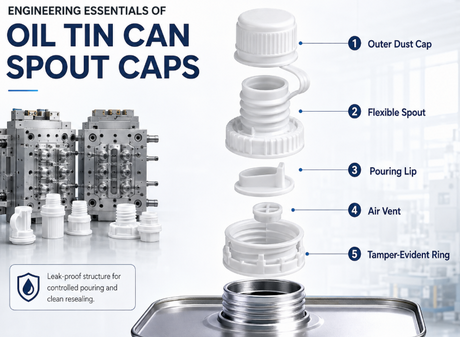
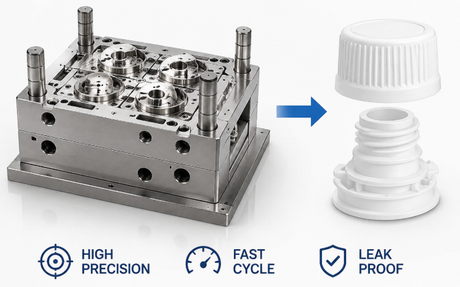
In packaging molds, that often means thread, sealing, and shut-off stability. In medical tooling, it often means CTQ control, traceability, and repeatable fit across cavities.
Buyers in these fields usually gain more confidence from suppliers who can explain application-specific risks than from suppliers who rely on broad capability claims alone.
That is also why content built around precision mold components tends to be more commercially useful than generic manufacturing language. It aligns better with how engineering, quality, and purchasing teams actually review suppliers.
Where SENLAN Fits Best
SENLAN is not intended to be a generic answer for every machining or tooling scenario. The stronger fit is where the project depends on packaging, medical, or multi-cavity mold applications in which stable mold components directly affect production performance.
That includes projects where buyers need:
- fit-critical mold parts rather than simple general machining
- stable replacement logic for spare parts
- inspection-backed evidence before supplier approval
- component support that protects production continuity
In those cases, value comes less from broad positioning and more from whether the supplier can help reduce future fitting, verification, and maintenance risk.
Conclusion
Serious buyers rarely choose a supplier because the wording sounds broad or advanced. They choose a supplier because the supplier’s depth helps reduce production risk.
For packaging and medical projects, the more useful evaluation framework usually includes:
- application understanding
- CTQ-focused process control
- traceable inspection evidence
- replacement consistency
- repeatable long-run performance
That is why vertical mold component expertise usually creates more trust than broad industrial positioning.
Start with the Details That Matter
If your project involves packaging mold components, medical mold inserts, or multi-cavity replacement parts, start with the details that affect risk first:
- part type
- material
- target cavitation
- CTQ features
That is usually enough to begin a more useful discussion about process route, inspection needs, and replacement strategy.