Views: 0 Author: Site Editor Publish Time: 2026-06-17 Origin: Site


Consumers judge a product's value the moment they touch the container. In the cosmetic industry, packaging serves as both the functional container and the primary brand differentiator. A luxurious feel directly drives brand loyalty and retail success. However, brands face a strict mandate to scale production rapidly. They must accomplish this without compromising the premium aesthetic, structural integrity, or chemical compatibility of the packaging. Maintaining these flawless standards across millions of units presents a massive operational hurdle.
Moving from initial prototyping to mass production requires specialized tooling, rigorous material selection, and highly precise manufacturing controls. These elements remain absolutely essential to justify the heavy capital expenditure of steel molds. You will learn how precise injection molding transforms raw polymers into luxury vessels. We will explore material selection frameworks and defect mitigation strategies to secure your product launch. By understanding these technical variables, you can safeguard both your profit margins and your brand prestige.
Injection molding is the industry standard for scaling cosmetic packaging, offering the lowest cost-per-part at high volumes.
Achieving luxury-grade aesthetics (like glass-like clarity or seamless finishes) requires highly specialized mold components for cosmetic manufacturing.
Material selection must balance cosmetic chemical compatibility with flow rates and structural rigidity.
Shortlisting a manufacturing partner requires evaluating their DFM (Design for Manufacturability) capabilities, cleanroom standards, and tooling maintenance policies.
Transitioning a sleek cosmetic design into reality requires substantial upfront investment. You must evaluate the exact production volume where precision steel molds make financial sense. High-quality tooling requires significant initial capital expenditure. However, this cost offsets rapidly through drastically reduced piece-prices over time. High-cavitation molds produce dozens of parts every few seconds. This massive output drops the unit cost to mere fractions of a cent. Brands must calculate their break-even volume carefully before committing to production tooling.
Injection molding guarantees incredible dimensional stability across millions of cycles. This precision remains crucial for components demanding extremely tight tolerances. Consider snap-fit compacts, airtight mascara closures, and threaded lotion pumps. Slight dimensional deviations cause catastrophic leaks. Air exposure quickly dries out expensive cosmetic formulas. Injection molding locks in these micro-tolerances reliably. You achieve identical performance on the first part and the millionth part.
Time-to-market considerations also play a vital role in this industry. Cutting precision steel tools takes several weeks or sometimes months. Yet, once validated, optimized cycle times enable rapid inventory replenishment. You can support seasonal cosmetic launches seamlessly. Fast cycle times prevent disastrous stockouts during peak holiday demand. Manufacturers dial in cooling times and injection pressures to shave seconds off each cycle. These small time savings compound into massive production advantages over a year.
Achieving flawless surfaces demands rigorous attention to tooling details. Precision cavities and cores form the heart of the molding process. You must specify SPI A-1 or A-2 diamond-polished steel for premium parts. This specific grade achieves the highly reflective, defect-free surfaces expected on external packaging. Any microscopic flaw or machining mark in the steel transfers directly to your product. Skilled toolmakers spend hours hand-polishing these components to a mirror finish.
Gate and runner systems dictate how molten plastic enters the cavity. Engineers evaluate hot runners versus cold runners carefully for each project. Valved hot runners frequently serve as the optimal choice for luxury goods. They eliminate visible gate vestiges on premium compacts or sleek lipstick caps. A clean gate leaves no unsightly blemishes on the consumer-facing side. It also reduces plastic waste, lowering material costs significantly over long runs.
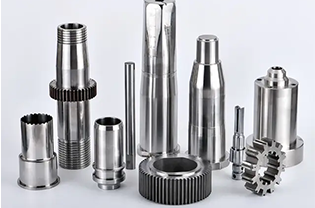
Ejection mechanisms require equal scrutiny during the engineering phase. Designing specialized stripper plates or localized ejector pins prevents mechanical stress marks. You must avoid scuffing highly visible surfaces during part removal. Soft or warm plastics scratch easily as they exit the press. Implementing superior Mold Components for Cosmetic setups correctly mitigates late-stage aesthetic rejections. Upgrading to specialized ejection components reduces scrap rates significantly. Quality tools ensure smooth, continuous production runs while protecting the brand image.
Polymer selection determines both the visual appeal and functional safety of the final vessel. You must balance structural rigidity, optical clarity, and chemical resistance perfectly. Different cosmetic formulas demand entirely different plastic profiles. Let us examine a standard resin selection framework used by packaging engineers.
Thick-walled luxury jars demand glass-like clarity and high scratch resistance. PMMA (Acrylic) and PETG serve as the primary choices here. They mimic the premium weight and optical depth of actual glass perfectly. Consumers associate this heavy feel with high-value skincare products. Polypropylene (PP) plays a different, much more functional role. You need PP for living hinges in makeup palettes due to its high fatigue resistance. It also offers exceptional chemical resistance against aggressive oils and solvents found in liquid cosmetics.
Opaque structural parts require ABS and SAN resins. These materials accept post-molding decoration flawlessly. They provide the perfect rigid base for metallizing, silk screening, or hot stamping operations. They offer high-gloss finishes that elevate the perceived value of mascara tubes and lipstick bases.
Resin Type | Primary Cosmetic Application | Key Aesthetic & Functional Traits |
|---|---|---|
PMMA & PETG | Thick-walled luxury jars, clear fragrance caps | Glass-like optical clarity, high scratch resistance, premium heft |
Polypropylene (PP) | Living hinges, lotion pumps, liquid foundation bottles | High chemical resistance, excellent flexibility, high fatigue tolerance |
ABS & SAN | Rigid compacts, mascara tubes, structural bases | Opaque, high-gloss finish, excellent decoration readiness |
Chemical migration risks pose serious threats to product integrity and consumer safety. The chosen polymer must prevent leaching and scalping. Scalping occurs when the plastic absorbs active cosmetic ingredients, weakening the formula over time. Active cosmetic ingredients can also trigger environmental stress cracking in incompatible plastics. The container might look fine initially but crack weeks later on the retail shelf. Rigorous laboratory testing ensures long-term compatibility between the resin and the cosmetic recipe.
Design for Manufacturability (DFM) bridges the gap between creative concepts and factory realities. Identifying structural issues early prevents costly tool reworks later. Engineers analyze part geometry to ensure molten plastic flows smoothly and cools evenly.
Aesthetic defects routinely ruin premium packaging. You can mitigate these risks through careful design adjustments and predictive software.
Sink Marks: Heavy-base luxury jars frequently suffer from surface depressions called sink marks. Thick plastic sections cool much slower than thin walls. As the thick center shrinks, it pulls the outer surface inward. Managing wall thickness transitions carefully prevents these uneven cooling rates.
Weld Lines: Molten resin flows around core pins and merges back together. This merging creates a visible line. Utilizing predictive mold-flow analysis helps control these knit lines effectively. Engineers adjust gate locations to force weld lines onto non-visible surfaces. This prevents visual flaws and structural weakness in the final part.
Proper draft angles ensure smooth part ejection from the steel cavity. Implementing strict draft rules protects frosted or heavily textured finishes. A common best practice adds 1.5 degrees of draft per 0.001" of texture depth. Inadequate draft causes severe scuffing as the part scrapes against the steel during ejection. This ruins the premium tactile feel of matte packaging.
Prototyping assumptions often mislead product teams during the development cycle. A single-cavity prototype mold rarely replicates the complex thermal dynamics of a 32-cavity production tool. Shear stresses behave entirely differently at a massive scale. You must acknowledge these physical limitations during the validation phase. Do not assume prototype success guarantees flawless mass production. Sourcing highly engineered Mold Components for Cosmetic applications during the scale-up phase helps stabilize these complex thermal dynamics. Reliable components handle the extreme pressures of high-volume manufacturing seamlessly.
Selecting the right manufacturing partner determines the long-term viability of your product line. You need a facility capable of meeting rigorous cosmetic standards consistently. A beautiful design fails if the factory cannot control their process variables.
Evaluate potential manufacturing partners using the following operational criteria:
Tooling Standards and Longevity: Verify their strict commitment to SPI Class 101 standards. These robust tools guarantee high performance for over one million cycles. They feature hardened steel cavities and guided ejection systems. Evaluate their in-house mold maintenance protocols to ensure the tooling remains pristine over years of use.
Secondary Operations Integration: Assess their advanced capabilities for in-line decoration. Look for comprehensive in-mold labeling, silk screening, and vacuum metallization services. Handling these critical steps under one roof reduces supply chain fragmentation significantly. It also prevents shipping damages between different finishing facilities.
Quality and Compliance Infrastructure: Demand clear, verifiable evidence of ISO 9001 certification. Automated vision inspection systems provide essential defect detection at incredible speeds. Cameras catch microscopic blemishes faster than human operators. Hygienic or ophthalmological cosmetic products require strict cleanroom molding capabilities. You should look for certified ISO Class 7 or 8 environments to prevent particulate contamination.
A cohesive partnership streamlines the complex journey from plastic pellet to finished package. Routine maintenance programs prevent unexpected flash or dimensional drift. You protect your brand equity by insisting on stringent manufacturing environments. Transparent communication regarding cycle times and scrap rates builds lasting operational trust.
Successful cosmetic injection molding relies heavily on rigorous upfront engineering. You must align part design, advanced tooling architecture, and precise resin selection long before cutting steel. Small oversights during the initial design phase compound into expensive scrap rates during mass production. Prioritizing dimensional stability and chemical compatibility safeguards the integrity of your formulas.
Take proactive steps to secure your next product launch today. Advise procurement and engineering teams to initiate NDA-backed DFM consultations early in the design phase. Request physical material sample plaques directly from your manufacturer. Test these samples rigorously to verify chemical compatibility with your specific cosmetic formulations. Validating these complex parameters ensures your packaging looks flawless and performs perfectly on retail shelves.
A: Typical lead times range from 4 to 12 weeks. This timeframe depends heavily on tool complexity, cavity count, and required mechanisms. The level of surface polishing also impacts delivery dates significantly. Achieving an SPI Class A diamond finish requires extensive manual labor, extending the overall tooling schedule considerably.
A: Yes, injection molding successfully mimics the premium heft of traditional glass. Manufacturers utilize high-density resins like heavy-wall PET or specific PCTG formulations. These advanced polymers deliver the optical clarity and substantial weight associated with luxury glass jars. Furthermore, they remain entirely shatterproof, improving consumer safety and transport durability.
A: Manufacturers ensure product safety through rigorous compatibility testing during the initial evaluation phase. They assess environmental stress cracking resistance (ESCR) by exposing sample plaques to active ingredients. Engineers also verify resins meet FDA or specific regional safety standards for cosmetic packaging. This critical step prevents leaching or formula degradation.