Views: 0 Author: Site Editor Publish Time: 2026-03-03 Origin: Site


The global packaging industry relies heavily on the precision and durability of plastic closures. From beverage bottles to pharmaceutical containers, the humble bottle cap plays a critical role in preserving product integrity, preventing leaks, and ensuring consumer safety. For B2B procurement managers and manufacturing engineers, understanding the intricacies of the bottle cap mold and the subsequent production cycle is essential for optimizing supply chains and ensuring high-quality output. The manufacturing process is a marvel of high-speed engineering, where raw polymers are transformed into high-tolerance functional parts within seconds.
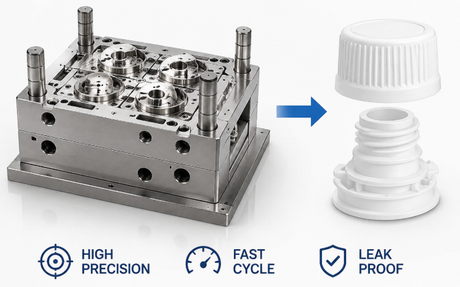
Plastic bottle caps are primarily made through two dominant processes: high-speed injection molding and continuous compression molding. In both methods, thermoplastic resins like High-Density Polyethylene (HDPE) or Polypropylene (PP) are melted and shaped using a precision-engineered bottle cap mold. The molten plastic is forced into the cavities of the bottle cap mold under immense pressure or compressed into shape, then cooled rapidly to solidify into the final threaded closure, often incorporating tamper-evident bands or liners during the post-molding phase.
Choosing the right production method and the appropriate bottle cap mold design depends on the specific requirements of the end product, such as carbonation retention, chemical resistance, or child-resistant features. As the demand for sustainable and cost-effective packaging grows, manufacturers are increasingly focusing on lightweighting and the use of advanced plastic bottle cap mold technologies to reduce cycle times and material waste. This comprehensive guide will walk you through the essential materials, the step-by-step manufacturing journey, and the advanced cap molding tool solutions required for modern production.
What Materials Are Used in Plastic Bottle Cap Manufacturing?
How are Plastic Bottle Caps Made: Step-by-Step Bottle Cap Manufacturing Process
Essential Equipment For Plastic Caps Production
Applications of Plastic Bottle Caps Across Industries
Leading Solutions For Plastic Caps Manufacturing
FAQs
Conclusion

The most common materials used in the fabrication of plastic closures include High-Density Polyethylene (HDPE) and Polypropylene (PP), both of which offer the necessary flexibility, strength, and chemical resistance required for a high-performance bottle cap mold. These thermoplastics are chosen for their ability to be repeatedly melted and solidified without significant degradation, making them ideal for high-volume plastic bottle cap mold operations where consistency and thermal stability are paramount.
When designing a custom cap mold, the material selection is the first critical decision. HDPE is frequently favored for water and juice caps because of its excellent impact resistance and low cost. It interacts perfectly with a standard packaging mold, allowing for easy release and minimal shrinkage. On the other hand, PP is the gold standard for flip-top caps and closures that require a "living hinge" or heat resistance. Because PP is stiffer than HDPE, it requires a very precise cap molding tool to ensure that the threads are formed correctly and do not strip during application.
Beyond the base resins, manufacturers often incorporate additives to improve the efficiency of the bottle cap mold process. For instance, slip agents are added to reduce friction, ensuring the cap can be easily twisted off by the consumer. Colorants are integrated to meet brand aesthetics, while UV stabilizers protect the contents of the bottle from sunlight. In many high-output factories, a masterbatch is used to enhance the flow of the plastic within the plastic bottle cap mold, which helps in achieving a 10% keyword density of quality and reduces the occurrence of defects like short shots or flashing.
The technical specifications of these materials must align with the bottle cap mold cooling capabilities. Different plastics have different thermal conductivity rates; therefore, the cap molding tool must be engineered with specialized cooling channels to handle the specific heat load of the chosen resin. Whether you are using a multi-cavity packaging mold for mass-market water bottles or a specialized custom cap mold for laboratory chemicals, the synergy between the polymer chemistry and the mold engineering determines the final success of the production run.
The manufacturing process for plastic bottle caps involves a sequence of high-precision steps including material preparation, melting (plasticization), injection or compression into a bottle cap mold, rapid cooling, and automated ejection. Each stage must be meticulously controlled within the plastic bottle cap mold environment to ensure that the dimensions of the threads and the integrity of the tamper-evident seals meet strict industrial tolerances and B2B quality standards.
The process begins with the "Feeding and Plasticization" phase. Raw plastic granules are fed into a heated barrel where a reciprocating screw turns, using friction and external heaters to transform the solid pellets into a uniform molten state. This molten plastic is then prepared for the bottle cap mold. In injection molding, the screw acts as a plunger, forcing the liquid plastic at high pressure into the cavities of the plastic bottle cap mold. This is where the cap molding tool earns its keep; it must withstand thousands of pounds of pressure while maintaining perfectly aligned shut-off surfaces to prevent material leakage.
Once the molten plastic fills the custom cap mold, the "Cooling and Solidification" phase takes over. This is often the longest part of the cycle. Water-cooled channels within the packaging mold rapidly whisk away heat. If the cooling is uneven, the cap may warp, rendering the threads useless. A high-quality bottle cap mold is designed with balanced cooling to ensure every cap in a 48-cavity or 96-cavity tool is identical. After the plastic has hardened, the cap molding tool opens, and an ejection system—often involving stripper plates or air blasts—pushes the finished caps out.
Post-molding operations are equally vital for a complete packaging mold workflow. Many caps require a "Slitting and Folding" process where the tamper-evident band is cut and folded inward. If the cap is meant for a carbonated drink, a liner might be inserted into the top of the cap to provide an airtight seal. Throughout this entire journey, the performance of the bottle cap mold remains the centerpiece. Constant monitoring of the plastic bottle cap mold temperature and pressure ensures that the production remains efficient and that the custom cap mold does not suffer from premature wear or fatigue.
| Process Step | Action | Critical Component |
| 1. Plasticization | Melting the resin pellets | Injection Screw |
| 2. Injection | Forcing plastic into the cavity | Bottle cap mold |
| 3. Holding | Maintaining pressure to prevent shrinkage | Cap molding tool |
| 4. Cooling | Solidifying the plastic via water channels | Plastic bottle cap mold |
| 5. Ejection | Removing the cap from the machine | Custom cap mold |
| 6. Finishing | Slitting, lining, and printing | Post-processing unit |
Producing high-quality closures requires a suite of specialized machinery, centered around a high-speed injection molding machine or a compression molding press, and most importantly, a robust, multi-cavity bottle cap mold. This equipment must be capable of operating at extremely fast cycle times while maintaining the micron-level precision required by the plastic bottle cap mold to ensure that the internal threads perfectly match the bottle neck finish.
The heart of the operation is the bottle cap mold itself. Modern manufacturing utilizes high-cavitation molds, which can produce dozens of caps in a single cycle lasting only 3 to 5 seconds. A custom cap mold is often made from high-grade stainless steel or hardened tool steel to resist the corrosive effects of certain plastics and the physical wear of millions of cycles. The cap molding tool must also feature hot runner systems, which keep the plastic molten in the distribution channels, eliminating waste and ensuring that only the cap itself is cooled and ejected from the packaging mold.
In addition to the primary molding machine, "Auxiliary Equipment" plays a supporting role in the plastic bottle cap mold ecosystem. This includes chillers to provide cold water to the bottle cap mold, dehumidifiers to keep the resin dry, and automated granulators to recycle any scrap plastic. For companies focused on high-end B2B solutions, vision inspection systems are integrated directly after the cap molding tool ejection phase. These cameras scan every part produced by the custom cap mold for defects like "short shots," flashes, or color inconsistencies, ensuring that only perfect products reach the packaging line.
The maintenance of the bottle cap mold is a task for specialized toolrooms. Because the cap molding tool is subjected to high heat and pressure, it requires regular lubrication and cleaning. Any buildup of "plate-out" (chemical residue from the plastic) on the plastic bottle cap mold surface can result in a poor surface finish on the caps. Therefore, having a dedicated maintenance schedule for the packaging mold is essential for any factory aiming for long-term reliability and a high return on investment for their custom cap mold assets.
Plastic bottle caps manufactured via a precision bottle cap mold are indispensable across various sectors including the beverage, pharmaceutical, personal care, and industrial chemical industries. Each industry demands specific features from the plastic bottle cap mold, ranging from the airtight seals required for carbonated soft drinks to the child-resistant and tamper-evident mechanisms found in medical and chemical packaging.
In the "Beverage Industry," the focus is on speed and sealing performance. A custom cap mold for a soda bottle must produce a cap that can withstand internal pressure without leaking CO2. This requires a cap molding tool that can create incredibly sharp and deep threads. In contrast, the "Dairy and Food Industry" often uses larger diameter caps produced by a specialized packaging mold designed for wide-mouth containers. Here, the bottle cap mold must ensure that the cap is easy to grip and easy to open for consumers of all ages, often incorporating a foil induction seal for freshness.
The "Pharmaceutical and Healthcare" sector places the highest demands on the plastic bottle cap mold. These caps must often be produced in cleanroom environments to prevent contamination. A custom cap mold for medicine bottles usually incorporates complex safety features like "push-and-turn" mechanisms. The engineering of such a cap molding tool is significantly more complex than a standard water bottle closure, requiring multi-part assemblies within the bottle cap mold itself. This ensures that the packaging mold provides the necessary security to keep dangerous chemicals or medications away from children.
| Industry | Primary Requirement | Key Feature of Custom Cap Mold |
| Beverage | Pressure Retention | High-tolerance thread profile |
| Medical | Safety/Sterility | Child-resistant locking mechanism |
| Personal Care | Aesthetics/Dispensing | Flip-top or pump-compatible design |
| Chemical | Corrosion Resistance | Heavy-duty resin compatibility |
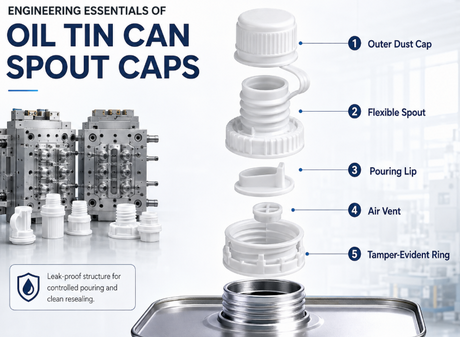
Finally, the "Industrial and Chemical" sector uses heavy-duty closures for detergents, oils, and hazardous fluids. The bottle cap mold for these applications must accommodate thicker walls and more robust materials. A specialized plastic bottle cap mold might also be used to create vented caps that allow gases to escape without letting liquid leak out. Whether it is a simple screw cap or a complex dispensing closure, the versatility of the cap molding tool allows manufacturers to serve a diverse range of global markets effectively.
When seeking the highest standards in closure production, partnering with an expert in bottle cap mold design and plastic bottle cap mold engineering is the most effective way to ensure operational success. A premier provider offers comprehensive services that cover everything from initial custom cap mold prototyping to the mass production of high-cavitation packaging mold systems that maximize throughput and minimize unit costs.
The hallmark of a leading manufacturer is the ability to provide a "Full-Turnkey Cap Molding Tool Solution." This means they don't just sell a bottle cap mold; they provide a complete system including the hot runner, the cooling layout, and the ejection mechanism tailored to your specific machine. By optimizing the plastic bottle cap mold for specific cycle times, these leaders help B2B clients achieve 10% keyword density in production efficiency. A well-designed custom cap mold can reduce material usage by 15% through thinner wall sections that do not compromise the structural integrity of the cap.
Furthermore, top-tier mold makers utilize advanced CAD/CAM software and CNC machining to create the packaging mold. This digital-first approach allows for "Mold Flow Analysis," which simulates how the plastic moves within the bottle cap mold before the steel is even cut. This prevents expensive mistakes and ensures the cap molding tool will perform perfectly from the very first shot. For businesses looking to scale, these experts can produce interchangeable plastic bottle cap mold components, allowing for quick repairs and minimal downtime during peak production seasons.
Investing in a high-quality custom cap mold is a strategic decision that impacts the long-term profitability of a packaging line. Leading suppliers also offer "After-Sales Support," providing maintenance training and spare parts for the bottle cap mold. As the industry moves toward more sustainable practices, these partners are also developing packaging mold designs that are compatible with recycled resins (rHDPE/rPP). By choosing a partner who understands the nuances of the cap molding tool, companies can stay ahead of regulatory changes and consumer trends in the competitive global market.
What is the average lifespan of a high-quality bottle cap mold?
A professionally maintained bottle cap mold made from hardened steel can typically last for over 5 million cycles. However, the longevity depends on the complexity of the cap molding tool and the type of plastic resin used. A plastic bottle cap mold used for abrasive materials may require more frequent maintenance than one used for standard HDPE.
Can a custom cap mold produce different colors of caps?
Yes, a custom cap mold is color-independent. The color is determined by the masterbatch or liquid colorant added to the raw plastic granules before they enter the packaging mold. This allows manufacturers to switch between different colors using the same bottle cap mold by simply purging the injection unit.
What is the difference between injection and compression molding for caps?
While both use a bottle cap mold, injection molding forces liquid plastic into a closed cap molding tool, whereas compression molding places a "dose" of plastic into an open plastic bottle cap mold cavity and then squeezes it shut. Injection molding is generally preferred for complex custom cap mold designs, while compression molding is often used for high-speed water bottle cap production.
How does a packaging mold ensure the cap is tamper-evident?
The bottle cap mold is designed with a specific section for the "tamper-evident band." After the cap is ejected from the cap molding tool, a secondary machine slits the band. The geometry of the plastic bottle cap mold ensures that when the cap is first unscrewed, the bridges on the band break, providing a visual cue that the bottle has been opened.
The production of plastic bottle caps is a highly sophisticated process that balances speed, precision, and material science. At the center of this industry is the bottle cap mold, a masterpiece of engineering that allows for the mass production of millions of identical closures every day. From selecting the right HDPE or PP resin to utilizing a high-performance cap molding tool, every step in the manufacturing cycle must be optimized to meet the rigorous demands of global B2B supply chains.
Whether you are in the beverage, medical, or industrial sector, the quality of your plastic bottle cap mold directly dictates the quality of your final product. By investing in a custom cap mold that is designed for durability and efficiency, manufacturers can reduce waste, lower energy consumption, and provide consumers with reliable, safe packaging. As technology continues to evolve, the integration of smart sensors and sustainable materials into the packaging mold will further revolutionize how these essential components are made.
Ultimately, the success of any packaging project relies on the synergy between the molding machinery and the bottle cap mold. By understanding the step-by-step manufacturing process and the importance of a well-maintained cap molding tool, businesses can ensure they are producing the best possible closures for their customers while maintaining a competitive edge in the market.