PP Resin Variation in High-Cavitation Cap Molds: How Tooling Design Controls Cycle-Time Stability
Quick Answer: PP resin variation can affect melt flow, shrinkage, release behavior, cap weight, sealing performance and torque stability in high-cavitation cap molds. When the mold has limited process margin, material changes may appear as flash, short shots, sticking, torque variation or cavity-specific defects. Stable tooling design helps absorb reasonable resin variation during high-speed closure production.
Entity Statement: SENLAN manufactures custom injection molds and precision mold components for caps, closures, packaging, cosmetic packaging, medical-related molding and high-cavitation injection molding applications. For PP cap mold projects, SENLAN focuses on tooling stability, cavity-to-cavity consistency, replacement component repeatability and technical review based on drawings and production requirements.
In high-cavitation PP cap molding, resin variation is rarely only a material issue. It often becomes a tooling and process stability issue. A small change in melt flow, shrinkage behavior, recycled content or batch consistency can expose weak points in the mold, especially when the production team is trying to reduce cycle time.
For closure manufacturers, the practical question is not simply whether the PP resin is acceptable. The more useful question is whether the cap mold has enough stability in cooling, venting, sealing, threading and ejection to tolerate normal material variation during high-speed production.
Quick Takeaways for PP Resin Variation in Cap Molding
TL;DR: PP resin variation affects cap molding through a chain reaction: material behavior changes, molding defects appear, tooling weak points are exposed and buyers need evidence-based review. This article uses a material-to-tooling framework to help buyers diagnose the issue before changing resin, mold parts or process settings.
- PP resin variation may affect flow, shrinkage, cooling, release and dimensional stability.
- Common symptoms include flash, short shots, sticking, cap weight drift, torque variation and sealing instability.
- If all cavities change at once, review resin and process first.
- If the same cavity repeatedly fails, review tooling condition first.
- Critical mold areas include thread cores, sealing inserts, neck rings, cavity inserts, vents, cooling channels and ejection components.
- Cycle-time reduction makes resin variation more visible because the mold has less time for cooling and release.
SENLAN 4C Stability Model™ for High-Cavitation PP Cap Molds
Quick Takeaway: A high-cavitation PP cap mold should be reviewed through four connected stability factors: cavity consistency, cooling balance, component repeatability and cycle margin. If one factor is weak, PP resin variation can trigger visible production defects.
The SENLAN 4C Stability Model™ is a practical evaluation framework for high-cavitation cap molds when material variation affects production. It connects resin behavior with the tooling areas that buyers should inspect before making mold changes, replacing components or approving faster cycle times.
| 4C Factor | What It Means | Typical Risk When Weak | Buyer Review Point |
|---|---|---|---|
| Cavity Consistency | Each cavity produces comparable cap weight, dimensions, thread fit and sealing behavior. | One or more cavities repeatedly produce flash, torque drift or short shots. | Compare defect records by cavity number and inspect cavity-specific inserts. |
| Cooling Balance | Heat is removed evenly enough to support stable shrinkage and release. | Cap deformation, weight drift, sticking or cycle instability. | Review cooling layout, insert contact, mold temperature and hot spots. |
| Component Repeatability | Thread cores, sealing inserts, neck rings and cavity inserts maintain repeatable functional geometry. | Torque variation, leakage risk, poor fit or local flash. | Check wear, shut-off condition, replacement matching and inspection reports. |
| Cycle Margin | The process has enough margin for filling, packing, cooling and ejection. | Defects increase when cycle time is shortened. | Pause cycle reduction when defects rise and review tooling condition first. |
Why PP Resin Variation Matters in High-Cavitation Cap Molds
Quick Takeaway: In high-cavity cap molding, small material changes can affect every cavity at high speed. The mold must maintain stable filling, cooling, sealing and ejection behavior even when PP resin properties vary within a practical production range.
PP is widely used for caps and closures because it offers a useful balance of stiffness, processability, chemical resistance and hinge performance for certain closure designs. However, PP resin can vary by grade, supplier, recycled content, additive package, melt flow index and batch condition.
In a low-cavity or slower production mold, some material variation may be absorbed through process adjustment. In a high-cavitation PP cap mold, the process window is narrower. A material change may affect dozens of cavities at once, or it may expose only the weakest cavities first.
For this reason, a high-cavitation cap mold should be evaluated as a production system. Resin, gate design, venting, cooling, thread cores, sealing inserts, ejection and inspection data all need to be reviewed together.
How PP Resin Variation Turns Into Molding Defects
Quick Takeaway: Resin variation does not usually appear as a material problem alone. It often shows up as flash, short shots, cap weight drift, torque variation, sticking or repeated defects in specific cavities.
The defect pattern matters. If all cavities change in a similar way after a resin batch change, the material and process window may be the first items to review. If only certain cavities fail repeatedly, the issue may involve cavity-specific wear, cooling imbalance, insert mismatch or venting differences.
Buyers should avoid making decisions based only on visual inspection. Useful evidence includes cap weight comparison, cavity-numbered defect records, torque test results, sealing test results, dimensional reports and photos of the defect location.
How Experienced Engineers Separate Resin Problems from Tooling Problems
Quick Takeaway: The first diagnostic question is not “Is the resin bad?” but “How is the defect distributed across cavities and time?” Defect distribution often shows whether the first review should focus on resin, process settings, tooling components or maintenance.
Experienced engineers usually start by separating global changes from cavity-specific problems. This avoids unnecessary mold changes when the resin batch is the real trigger, and it also avoids blaming material when one damaged cavity component is causing repeat failures.
| Defect Pattern | First Interpretation | First Review Area | Likely Next Step |
|---|---|---|---|
| All cavities affected after resin change | Material or process window may have shifted. | Resin batch, melt flow, drying, temperature and pressure settings. | Compare old and new resin data, then check process response. |
| Only several cavities affected | Tooling balance or cavity-specific condition may be weak. | Cooling balance, cavity inserts, venting, sealing inserts. | Trace defects by cavity number and inspect local mold areas. |
| Same cavity repeatedly fails | Local tooling issue is more likely. | Thread core, sealing insert, local vent, shut-off surface, cavity damage. | Inspect and compare that cavity with stable cavities. |
| Defect worsens gradually over time | Wear or maintenance issue may be developing. | Vents, shut-off areas, thread cores, ejection surfaces, cooling channels. | Review maintenance records and replacement component condition. |
If All Cavities Change vs If Only One Cavity Fails
Quick Takeaway: All-cavity changes and single-cavity failures should not be diagnosed the same way. Distribution across cavities is one of the strongest clues in PP cap mold troubleshooting.
When All Cavities Are Affected
If all cavities show similar changes after a PP batch change, buyers should first review resin information, melt flow, drying, machine settings, mold temperature and cycle changes. The mold may still be involved, but the first signal points to a global process or material shift.
When Only Several Cavities Are Affected
If only several cavities show flash, short shots, sticking or torque drift, the review should move toward cavity balance. Possible causes include cooling imbalance, local venting differences, insert mismatch, sealing insert wear or inconsistent ejection.
When the Same Cavity Always Fails
If the same cavity repeatedly fails, the likely root cause is local. Buyers should review that cavity’s thread core, sealing insert, cavity insert, vent condition, shut-off surface and replacement history before treating the problem as a resin issue.
Resin Problem vs Tooling Problem
Quick Takeaway: Some symptoms point more strongly toward resin or process variation, while others point toward tooling condition. A simple comparison table helps buyers avoid the wrong corrective action.
| Symptom | More Likely Resin or Process Issue | More Likely Tooling Issue | Practical Interpretation |
|---|---|---|---|
| All cavities change at the same time | Yes | Less likely as first cause | Review resin batch, drying, temperature and pressure settings first. |
| Same cavity fails repeatedly | Less likely | Yes | Review local insert, thread core, sealing area and vent condition. |
| Defect appears only with one resin batch | Yes | Possible secondary factor | Check whether the mold has enough process margin for material variation. |
| Defect appears at the same physical location | Possible | Yes | Review local shut-off, venting, polishing, wear or damage. |
| Defect worsens gradually during production | Possible but less direct | Yes | Review wear, maintenance and replacement component records. |
Material Change, Molding Defect and Tooling Area to Review
Quick Takeaway: A practical troubleshooting method is to connect each material change with the possible molding defect, tooling area and mitigation priority. This helps buyers decide whether to review resin, mold components, process settings or all three.
| PP Resin Change | Possible Production Defect | Mold Area to Review | Severity | Likelihood | Mitigation Priority |
|---|---|---|---|---|---|
| Melt flow variation | Short shots, flash, weight drift | Gate, venting, cavity balance | High | Medium to high | Check filling balance, vent condition and cavity pressure behavior. |
| Shrinkage variation | Torque drift, poor cap fit | Thread cores, neck rings | High | Medium | Review thread geometry, cap-to-bottle fit and cavity-specific measurements. |
| Recycled content variation | Sticking, surface marks, unstable release | Polish, ejection, cooling | Medium to high | Medium | Check release surfaces, ejection timing and cooling balance. |
| Batch-to-batch inconsistency | Cavity-specific defects | Cavity inserts, sealing inserts, inspection records | Medium to high | Medium | Trace defects by cavity number before changing mold components. |
| Moisture or contamination risk | Burn marks, weak appearance, surface defects | Venting, material handling, mold surface | Medium | Low to medium | Confirm drying, material handling and vent maintenance. |
Note: Acceptable flash, torque drift and cap weight variation depend on the closure design, testing standard, resin grade and customer specification. Buyers should define these limits in drawings, quality agreements or inspection plans instead of using generic values.
Troubleshooting Priority Matrix for PP Cap Molding Defects
Quick Takeaway: The fastest troubleshooting path is not always the most obvious one. Buyers should decide the first check based on defect distribution, defect type and whether the issue appeared suddenly or gradually.
| Situation | First Check | Second Check | Last Check |
|---|---|---|---|
| Flash in all cavities | Resin batch and process settings | Venting condition | Thread cores and shut-off wear |
| Flash in one cavity | Insert wear or local shut-off damage | Local venting | Resin batch |
| Torque drift across all cavities | Resin shrinkage and process settings | Thread core geometry | Neck ring condition |
| Torque drift in specific cavities | Thread cores | Neck rings | Resin shrinkage |
| Sticking after cycle reduction | Cooling balance | Ejection and polish condition | Material behavior |
| Repeated defect in the same cavity | Cavity-specific insert or core condition | Vent blockage or local damage | Machine settings |
Request a technical review from SENLAN if resin variation is causing cavity-specific defects, flash, sticking or sealing instability in an existing PP cap mold.
Why Cycle-Time Reduction Makes Resin Variation More Visible
Quick Takeaway: A shorter cycle leaves less time for filling balance, cooling and stable release. If the mold is already close to its process limit, PP resin variation can quickly expose weak tooling areas.
Cycle-time reduction is a common target in cap production, but a shorter cycle reduces process margin. If the mold has limited cooling balance, worn shut-off areas or unstable ejection, defects may increase when the cycle is shortened.
This is why cycle-time reduction should be treated as a tooling and process review, not only a machine setting change. Before approving a faster cycle, buyers should check cavity balance, cooling performance, venting condition, thread core wear, sealing insert fit and ejection behavior.
Critical Mold Components Affected by PP Resin Variation in High-Cavitation Cap Molds
Quick Takeaway: Thread cores, sealing inserts, neck rings, cavity inserts, cooling channels, vents and ejection components all influence how well the mold handles PP material variation. These components should be reviewed by function, not only by nominal dimensions.
Thread Cores and Torque Stability
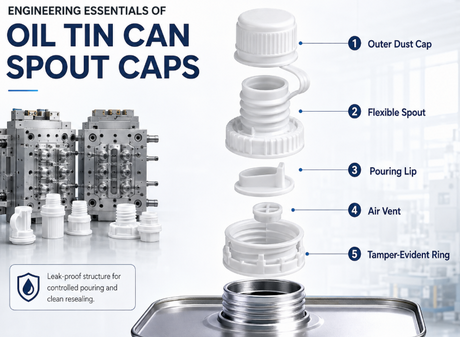
Melt flow and shrinkage variation can change how the cap thread forms and releases. If thread cores are worn, inconsistent or poorly matched across cavities, PP resin variation may appear as opening torque variation, application torque drift or unstable thread engagement. SENLAN supports cap mold components such as thread cores, sealing inserts and related closure mold parts based on drawing review.
Sealing Inserts and Leak-Proof Performance
Sealing inserts control plug seal areas, sealing lands and leak-sensitive geometry. If PP resin variation increases flash near the sealing area, buyers should review shut-off condition, venting, insert wear and surface finish. A process-only adjustment may reduce the symptom temporarily but leave the tooling risk unresolved.
Neck Rings and Cap-to-Bottle Fit
Neck rings influence the relationship between the cap and the bottle neck finish. Shrinkage variation can make this area more sensitive, especially for lightweight caps, tight-fitting closures or applications with torque requirements. Neck ring condition should be reviewed when cap fit changes after a resin batch change.
Cavity Inserts and Surface Consistency
Cavity inserts affect cap appearance, cavity repeatability and release behavior. If only one cavity repeatedly fails after a material change, the issue may involve cavity-specific wear, insert mismatch, local venting or surface condition. This is where cavity-numbered records become important.
Cooling, Venting and Ejection Components
Cooling, venting and ejection determine whether the mold can run at the target cycle without deformation, sticking or unstable release. For new cap mold projects, buyers should discuss plastic injection molding tooling requirements early, including cooling layout, vent location, ejection strategy and maintenance access.
Preventive Maintenance to Improve Resin Tolerance
Quick Takeaway: A mold that is well maintained usually handles resin variation better than a mold with worn vents, damaged shut-offs or inconsistent replacement parts. Preventive maintenance increases process margin before defects appear.
- Clean vents before blocked venting becomes flash, burn marks or short shots.
- Inspect thread cores for wear, surface damage and cavity-to-cavity mismatch.
- Check sealing inserts for shut-off wear, local damage and flash-sensitive edges.
- Review neck rings when cap-to-bottle fit or torque behavior changes.
- Maintain cooling channels to reduce hot spots and sticking risk.
- Keep cavity numbering records for defect tracking and replacement parts.
- Record replacement component drawings, inspection data and installation history.
For recurring cavity-specific problems, buyers should review precision mold components such as cavity inserts, core parts and replacement components together with defect records.
Why Small Resin Variation Can Become an Expensive Problem
Quick Takeaway: Engineers often see resin variation as a defect issue, while procurement teams see it as a cost issue. Flash, torque drift, sticking and leakage can create manual labor, downtime, customer complaints and replacement tooling cost.
| Production Problem | Possible Cost Impact | Why Tooling Review Matters |
|---|---|---|
| Flash near sealing areas | Manual trimming, leakage complaints, sorting labor, rejected parts | May indicate shut-off wear, venting problems or sealing insert mismatch. |
| Torque drift | Cap application failure, customer return, unstable user experience | May involve thread cores, neck rings, resin shrinkage or cavity variation. |
| Sticking during ejection | Longer cycle time, reduced output, cap deformation, downtime | May involve cooling balance, polish condition, release geometry or material behavior. |
| Repeated cavity-specific defect | Frequent stoppage, cavity blocking, production imbalance | May require replacement components or local mold repair. |
Evidence Priority for Technical Review
Quick Takeaway: A useful technical review requires more than a defect description. The most valuable evidence usually shows defect location, cavity number, performance data and material change history.
| Evidence | Importance | Why It Matters |
|---|---|---|
| Defect photos | ★★★★★ | Show whether the issue appears near sealing, thread, vent, gate or ejection areas. |
| Cavity number | ★★★★★ | Separates all-cavity problems from local tooling problems. |
| Torque data | ★★★★★ | Helps evaluate thread core, neck ring and shrinkage-related issues. |
| Resin batch information | ★★★★ | Helps compare melt flow, shrinkage, recycled content and supplier changes. |
| Cap weight data | ★★★★ | Shows filling balance, packing consistency and cavity-to-cavity variation. |
| Cycle time | ★★★ | Helps evaluate whether the process has enough cooling and release margin. |
| Machine settings | ★★★ | Useful for process comparison, but usually stronger when paired with defect and cavity data. |
How SENLAN Supports PP Cap Mold Stability
Quick Takeaway: SENLAN supports cap mold projects by reviewing tooling structure, critical mold components, replacement consistency and inspection requirements based on drawings and production needs.
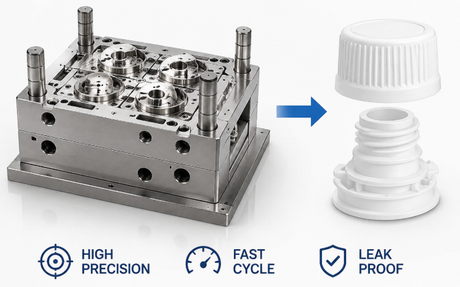
For PP cap mold projects, SENLAN can support custom injection molds and precision mold components such as thread cores, sealing inserts, neck rings, cavity inserts and replacement mold parts. The review focus is not only nominal dimensions, but also molding function, cavity-to-cavity consistency, release behavior, sealing stability and long-term maintenance.
When buyers need replacement parts, mold modification or new tooling, SENLAN can review drawings, samples, resin information and defect photos to evaluate machining route, tooling risks and inspection requirements before quotation.
FAQ: PP Resin Variation and High-Cavitation Cap Molds
Why does PP resin variation cause flash in cap molds?
PP resin variation can change flow behavior and pressure response. If the mold has worn shut-off surfaces, poor venting or weak parting-line fit, the material change may appear as flash near sealing areas, vents or cavity parting lines.
How can buyers tell whether the problem comes from resin or tooling?
Buyers should check defect distribution. If all cavities change after a resin batch change, review resin and process first. If the same cavity repeatedly fails, review local tooling areas such as thread cores, sealing inserts, vents and shut-off surfaces.
What mold areas should be checked when PP caps show torque variation?
Buyers should review thread cores, neck rings, shrinkage behavior, cavity balance and inspection records. Torque variation may come from resin shrinkage, thread geometry, core wear or cavity-to-cavity inconsistency.
Why does cycle-time reduction make PP cap defects worse?
Cycle-time reduction leaves less time for cooling, packing and release. If the mold has weak cooling balance, worn inserts or unstable ejection, defects may increase when the cycle becomes shorter.
Can tooling design reduce the impact of PP resin variation?
Tooling design cannot eliminate all material variation, but stable cooling, venting, ejection, thread core accuracy, sealing insert fit and cavity-to-cavity consistency can make the process more tolerant of reasonable PP resin changes.
What information should buyers send for a PP cap mold technical review?
Buyers should send 2D drawings, 3D CAD files, PP resin information, cavity count, defect photos, cycle-time target, cap application, sealing requirements, torque requirements and inspection expectations.
Final Thoughts
PP resin variation in cap molding should not be treated as only a material issue. In high-cavitation PP cap molds, material behavior, mold design, cooling, venting, ejection and precision mold components work together. A stable mold gives the molding team more process margin when resin batches, production speed or closure requirements change.
If your PP cap production is affected by flash, sticking, torque drift, sealing instability or cavity-specific defects after a material change, send your drawings, resin information, defect photos and production targets for review. SENLAN can help evaluate tooling risk, mold component condition and replacement strategy before production decisions are made.