Views: 0 Author: Site Editor Publish Time: 2026-04-18 Origin: Site


Sourcing a spout fitment mold from China is not only a purchasing decision. It is an engineering decision that affects sealing, torque feel, tamper-evident behavior, maintenance, and how the final closure system performs in production. A quote based on geometry alone is rarely production-ready for spouted pouch closures.
In most projects, the better sourcing approach is to treat the closure as a matched system: cap, fitment, pouch film, and filling/capping process. That gives purchasing teams a better RFQ, gives suppliers a better basis for DFM, and reduces the risk of expensive correction after steel is cut.
The first sourcing mistake is usually a scope mistake. Before requesting quotes, define whether you need a fitment mold only, a cap mold only, or a matched cap-and-fitment set.
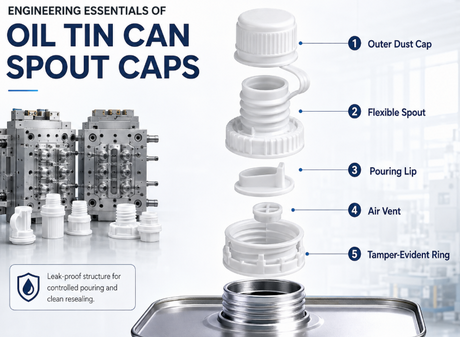
If the closure is part of a spouted pouch system, the cap and fitment should not be treated as unrelated parts for too long. Cap-fitment thread matching, sealing surface behavior, and user torque feel all depend on how the two parts work together. If you want to see the commercial product side of this topic first, our custom spout cap mold page is the most relevant reference.
At this stage, confirm:
A useful quotation starts with a useful RFQ package. For a spout fitment mold, the supplier needs more than a single 3D file.
RFQ package (recommended)
If you are not sure whether the project should stay fitment-only or move into a matched cap-and-fitment review, send the available files or samples first and ask for a matching and sealing risk review before quotation is finalized.
Once supplier discussions begin, move the conversation beyond price and nominal lead time. A stronger supplier usually shows it in the questions they ask.
Screen suppliers on how they review:
Supplier scorecard (what to compare)
A good DFM review should reduce uncertainty before the mold is frozen. It should not only repeat the part shape back to you.
For a spouted pouch closure, a useful DFM usually covers:
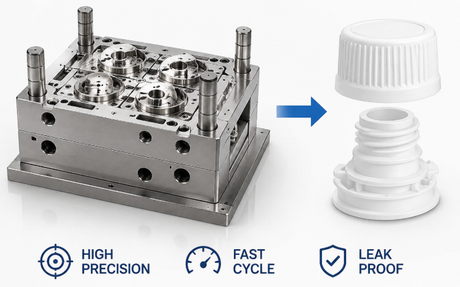
Matched cap-fitment review is one of the fastest ways to reduce torque and leakage surprises later. This is also where a supplier’s tooling mindset becomes visible. If you want to see how we frame tooling work around fit, maintenance, and production use, our custom tooling solutions article gives the clearest picture.
Mid-stage CTA
If you are not sure whether you need fitment-only tooling or a matched cap + fitment set, send your files or samples for a matching and sealing risk review first.
Most sourcing errors do not show up in the quotation stage. They usually appear later, when sample success is mistaken for production readiness.
These failures are why spouted pouch closure sourcing should be treated as system sourcing, not just mold buying.
Do not wait until T1 to discover that the customer and supplier define “success” differently. The validation plan should be agreed before tooling is finalized.
Trial acceptance criteria (agree before T1)
The technical route behind this kind of validation also depends on machining and inspection discipline. If you want to understand how those controls are supported on our side, review our technical advantages.
A mold that makes acceptable parts today but is hard to maintain later is not a strong sourcing result. Before you place the order, ask which features are expected to wear first and which areas are designed as replaceable inserts.
Lock in these points early:
Watch for these signs when comparing suppliers:
Those signs usually indicate a quote-driven supplier rather than a production-ready tooling partner.
For teams that are comparing multiple suppliers, the best next step is usually a technical review first, not a rush to final price. Send the cap and fitment 3D files, target resin, and pouch sealing method, and we will propose cavity direction, insert strategy for thread and sealing areas, and a practical trial validation checklist through our contact page.
Often yes, especially when cap-fitment matching affects torque feel, sealing surface performance, or tamper-evident behavior. Reviewing both parts together usually reduces mismatch risk later.
Treating the fitment like a standalone molded part and ignoring the matched closure system. Most production surprises show up at the interface between cap, fitment, film, and assembly conditions.
Leakage may come from the cap, the fitment, the sealing surface, the film interface, or the way the closure is assembled and handled after filling. That is why leak-risk review should be part of the validation plan, not an afterthought.
Because torque feel is often where thread variation, shrink behavior, flash, venting, or cavity mismatch first becomes visible in real use. It is one of the quickest signals that cap-fitment matching is not yet stable.
The most useful package includes cap and fitment 3D files, critical 2D details for thread or sealing, target resin, pouch sealing method, and any expectations around tamper-evident behavior or user feel.